Delivering good health around the world
We produce a comprehensive, diverse and highly complementary portfolio of medicines targeting a wide spectrum of chronic and acute treatments. Our product portfolio includes generics, branded generics, speciality, difficult-to-make technology intensive products, over-the-counter (OTC), anti-retrovirals (ARVs), Active Pharmaceutical Ingredients (APIs) and intermediates. Our presence in more than 100 countries helps us in being responsive to local treatment needs while continually improving our global product offering.
(+91) 082937-82458
The process
01
Speciality Medications
aNIM Pharma has built a portfolio of patent protected speciality medicines for global markets. Over the years, we have nurtured this evolving business through increased focus and investments. The key segments we are targeting are dermatology, ophthalmology and oncology. Our focus is on improving patient outcomes either by addressing unmet medical needs or by enhancing patient convenience through differentiated dosage forms. Our initiatives in this segment cover the entire value chain, from in-licensing early-to-late stage clinical candidates, as well as getting access to on-market patented products. Today, we are among the leading branded companies in the US with several speciality products launched in the country.
02
Generic Medications
We provide high quality generic and branded medicines at affordable costs to patients and doctors in more than 100 countries worldwide. Our products have the hallmark of technology-based differentiation and cover the full range of dosage forms, including tablets, capsules, injectables, inhalers, ointments, creams and liquids. The therapeutic segments covered by our portfolio of over 2000 molecules include psychiatry, anti-infectives, neurology, cardiology, orthopaedic, diabetology, gastroenterology, ophthalmology, nephrology, urology, dermatology, gynaecology, respiratory, oncology, dental and nutritionals. In several countries, aNIM Pharma ranks among the leading companies in these therapy areas.
03
Active Pharmaceutical Ingredients
We began producing Active Pharmaceutical Ingredients (APIs) in 2019 as a vital input in the manufacture of complex formulations to facilitate vertical integration. Today, our list of APIs exceeds 380 which is used in house as well as marketed to customers in over 60 countries. We manufacture APIs in 14 manufacturing facilities located in India, Hungary, US, Israel and Australia. Our product list includes generics and complex APIs that require isolated manufacturing areas like anti-cancers, peptides, steroids, sex hormones and controlled substances, including poppy-derived opiate raw materials that are primarily used in the manufacture of analgesics, sold as both Narcotic Raw Materials (NRM) and APIs. We offer bulk actives, intermediates and services for custom synthesis.
04
Anti Retro Viral Medications
We offer a wide range of WHO prequalified ARV medicines. Improving access and affordability is our key objective. We supply ARVs to various National AIDS treatment programs in Africa. In 2004, we signed up with the Clinton Health Access Initiative (CHAI) to help reduce the cost of the triple drug cocktail for consortium partners in Africa and other countries. Our portfolio comprises bio-equivalent ARV medicines and Active Pharmaceutical Ingredients (API) manufactured at our state-of-the-art WHO prequalified manufacturing facilities in India, a PIC/S approved manufacturing facility in South Africa and a facility in Russia. Indeed, with several first-line and second line Highly Active Antiretroviral Therapy (HAART) regimens in our portfolio, we hope to contribute significantly to combating HIV/AIDS.
Pursuing Purposeful Strategy
Our business strategy rests on three core pillars of leadership in chosen spaces, operational excellence and continuous improvement, along with patient-centric product innovation underpinned by sustainability.
- Under promise and over deliver
- Let your work speak for you
- Do the right thing with conviction and without fear
- Practice honesty, impartiality and fairness at all times
- Infuse energy in everything that you do
- Strive to implement new ideas & technologies to meet unmet needs
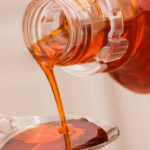
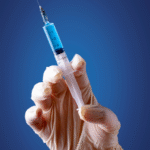
Generic Medicine
- Same Active Ingredient:Generic drugs contain the exact same active ingredient as the brand-name drug, ensuring the same therapeutic effect.
- Bioequivalence:Generic drugs must demonstrate bioequivalence, meaning they are absorbed and distributed in the body similarly to the brand-name drug, ensuring the same clinical benefit.
- Same Dosage and Route of Administration:Generic drugs are designed to be taken in the same way and dosage as the brand-name drug.
- Lower Cost:Generic medicines are typically significantly cheaper than their brand-name counterparts, making them a more affordable option for patients.
- Regulated by Regulatory Agencies:The Food and Drug Administration (FDA) and other regulatory bodies ensure that generic drugs meet the same standards of safety, effectiveness, and quality as brand-name drugs.
- Available After Patent Expiration:Companies can only market generic versions of a drug once the patent protection on the original brand-name drug has expired.
- Cost Reduction:Generic medicines can significantly lower the cost of medication, making it more affordable for patients and potentially saving healthcare systems money.
- Increased Access:More affordable medications can improve access to essential medications, especially for those with limited financial resources.
- Reduced Healthcare Costs:Lower drug costs can reduce overall healthcare spending, benefiting both individuals and the healthcare system.
- Competition and Innovation:The availability of generic drugs can create competition in the market, which can drive down prices and encourage innovation in the pharmaceutical industry.
- What they do:Antibiotics target bacteria, which are microscopic organisms that can cause infections. They can either kill bacteria (bactericidal) or stop them from reproducing (bacteriostatic), allowing the body’s immune system to clear the infection.
- How they’re taken:Antibiotics can be taken orally (pills, capsules, liquids), topically (creams, ointments), or through injections or intravenous (IV) administration, particularly for serious infections.
- When they’re used:Antibiotics are used to treat bacterial infections, such as urinary tract infections, pneumonia, and skin infections. They can also be used as a preventive measure in certain situations, like before surgery or for individuals with weakened immune systems.
- Important considerations:
- Antibiotics are not effective against viruses, so they won’t treat colds, flu, or other viral illnesses. Antibiotics should always be taken as prescribed by a doctor, including the dosage, frequency, and duration of treatment.
- Overuse and misuse of antibiotics can lead to antibiotic resistance, where bacteria become less sensitive to the medication, making infections harder to treat.
- Antibiotics can have side effects, such as nausea, diarrhea, or allergic reactions.
- Inotropic effects: These drugs influence the force of contraction of the heart muscle, impacting cardiac output.
- Chronotropic effects: These drugs affect the frequency of the heartbeat, or heart rate.
- Rhythmic effects: These drugs influence the regularity of the heartbeat.
- Hypertension (high blood pressure): Cardiovascular drugs help lower blood pressure.
- Heart failure: These drugs can improve the heart’s pumping ability and reduce symptoms of heart failure.
- Arrhythmias (irregular heartbeats): Certain drugs can help regulate the heart’s rhythm.
- Angina (chest pain): Some cardiovascular drugs can relieve chest pain caused by reduced blood flow to the heart.
- Hyperlipidemia (high cholesterol): Certain drugs can help lower blood cholesterol levels, reducing the risk of heart disease.
- Diuretics: Increase urine output, helping to reduce blood volume and lower blood pressure.
- Beta-blockers: Reduce heart rate and blood pressure.
- ACE inhibitors: Block the action of angiotensin-converting enzyme, which can help lower blood pressure.
- Calcium channel blockers: Block calcium from entering the cells of the heart and blood vessels, leading to relaxation and vasodilation.
- Vasodilators: Relax blood vessels, causing them to widen and lowering blood pressure.
- Anticoagulants: Prevent blood clots from forming.
- Purpose:To control the uncontrolled growth of cancerous cells.
- Mechanism:Anticancer drugs can work by killing cancer cells or slowing their growth, preventing their replication, or interfering with their ability to grow and spread.
- Types:Anticancer drugs include chemotherapy, targeted therapy, immunotherapy, and hormone therapy.
- Administration:Anticancer drugs can be administered through various routes, including intravenously (into a vein), orally (by mouth), or topically (to the skin).
- Side effects:Like all medications, anticancer drugs can cause side effects, which can vary depending on the specific drug and individual patient.
- Chemotherapy:Uses drugs to kill cancer cells by interfering with their growth and division.
- Targeted therapy:Focuses on specific molecular targets in cancer cells, such as proteins or genes, to inhibit their growth and survival.
- Immunotherapy:Uses the body’s own immune system to attack cancer cells.
- Hormone therapy:Uses hormones or hormone-blocking agents to slow down the growth of hormone-sensitive cancers.
- Cytotoxic drugs: These drugs kill cancer cells by damaging their DNA.
- Targeted drugs: These drugs specifically target and disrupt processes that are essential for cancer cell survival and growth.
- Hormonal drugs: These drugs interfere with the hormone-dependent growth of certain types of cancer.
- Purpose:To lower abnormally high glucose (sugar) levels in the blood, a hallmark of diabetes.
- Mechanism of action:Antidiabetic drugs work by various mechanisms, including increasing insulin secretion, improving insulin sensitivity, reducing glucose production by the liver, and delaying the absorption of glucose from the digestive tract.
- Types:A wide range of antidiabetic drugs are available, including insulin, oral hypoglycemic agents (e.g., sulfonylureas, biguanides, thiazolidinediones), and others.
- Clinical use:Antidiabetic drugs are used to treat both type 1 and type 2 diabetes, with insulin therapy being essential for all type 1 patients and often used for more advanced stages of type 2 diabetes.
- Importance:Effective management of blood glucose levels through antidiabetic drugs is crucial for preventing long-term complications of diabetes, such as microvascular and neuropathic damage.
- Purpose:To reduce blood pressure and prevent complications like stroke, heart failure, and kidney failure.
- Mechanism:They work by relaxing blood vessels, decreasing the heart’s workload, or blocking hormones that cause blood vessels to constrict.
- Types:There are several classes of antihypertensive drugs, including diuretics, ACE inhibitors, ARBs, calcium channel blockers, and beta-blockers.
- Individualized treatment:The best medication for a patient depends on their individual health, blood pressure levels, and other factors.
- Importance:Managing hypertension through medication is crucial for preventing serious health problems.
- Insulin:Insulin is a hormone that helps glucose get into cells for energy. People with type 1 diabetes require insulin injections to survive, while those with type 2 may also use it to manage blood sugar.
- Biguanides (e.g., Metformin):These drugs reduce glucose production by the liver and improve insulin sensitivity.
- Sulfonylureas:These medications stimulate the pancreas to release more insulin.
- Meglitinides:Similar to sulfonylureas, these drugs also stimulate insulin release, but they work more quickly and have a shorter duration of action.
- Thiazolidinediones:These drugs enhance insulin sensitivity, making cells better at responding to insulin.
- Alpha-glucosidase inhibitors:These medications slow down the breakdown of carbohydrates in the digestive system, reducing the absorption of glucose into the bloodstream.
- DPP-4 inhibitors:These drugs work by increasing levels of incretin hormones, which help regulate blood sugar.
- GLP-1 receptor agonists:These medications mimic the action of incretin hormones, increasing insulin release and reducing glucagon secretion.
- SGLT-2 inhibitors:These drugs work by increasing the amount of glucose excreted in the urine.
- Amylin analogs:These drugs mimic the effects of amylin, a hormone that helps regulate blood sugar and appetite.
- Increasing insulin production: Some drugs stimulate the pancreas to release more insulin, while others enhance the body’s sensitivity to insulin.
- Reducing glucose production in the liver: Some drugs decrease the amount of glucose produced by the liver.
- Slowing down carbohydrate absorption: Some drugs inhibit enzymes in the digestive system that break down carbohydrates.
- Increasing glucose excretion in the urine: Some drugs cause the kidneys to excrete more glucose.
- Reducing glucagon secretion: Some drugs decrease the release of glucagon, a hormone that raises blood sugar.
- Individualized Treatment:The choice of diabetic drug and dosage depends on various factors, including the type of diabetes, the individual’s overall health, and other medications they may be taking.
- Potential Side Effects:Diabetic drugs can have side effects, such as hypoglycemia (low blood sugar), weight gain, and gastrointestinal problems. It’s crucial to discuss potential risks with a healthcare professional.
- Lifestyle Modifications:Diabetic drugs are often used in conjunction with lifestyle modifications, such as dietary changes and exercise, to manage blood sugar levels.
- Purpose:To reduce high cholesterol, which can lead to heart disease and stroke.
- Types:The most common type is statins, which work by inhibiting an enzyme in the liver that produces cholesterol. Other types include PCSK9 inhibitors, fibric acid derivatives, and bempedoic acid.
- Mechanism:Statins, for example, block the production of cholesterol in the liver and increase the liver’s ability to remove LDL cholesterol from the blood.
- Benefits:Lowering cholesterol levels can reduce the risk of heart attack, stroke, and other heart-related problems, according to the Mayo Clinic.
- Importance of lifestyle changes:While medications are important, lifestyle changes like a healthy diet and exercise are also crucial for managing cholesterol levels.
- Side effects:Most statin side effects are mild and temporary, but some people may experience muscle pain or liver abnormalities, according to the American Heart Association.
- The “Active” Ingredient:APIs are the biologically active substances within a drug product, responsible for the drug’s therapeutic effect.
- Examples:In a painkiller, the API is the substance that relieves pain (e.g., paracetamol in Crocin). In an insulin pen, the API is insulin.
- Not Just the API:A drug product also contains other ingredients called excipients (inactive ingredients) which help with delivery, absorption, and stability of the API.
- Importance in Manufacturing:APIs are crucial in drug manufacturing, influencing the drug’s effectiveness, quality control, and regulatory compliance.
- Global Impact:APIs are used in a wide range of drugs, from generic medicines to high-quality drugs for various conditions, potentially contributing to a more sustainable healthcare system by introducing innovative products.
Polio:
- CompositionContains killed poliovirus strains of all three poliovirus types (types 1, 2, and 3).
- Administration:Given by intramuscular or intradermal injection, requiring a health professional.
- Immunity:Produces antibodies in the blood to protect against the virus, preventing its spread to the nervous system and paralysis.
- Safety:IPV cannot cause polio as the virus is killed.
- Use:Widely used in countries with low risk of polio infection, including the United States and many European countries.
- Composition: Contains live, weakened (attenuated) poliovirus strains.
- Administration: Given orally, usually as drops or on a sugar cube.
- Immunity: Stimulates the immune system in both the intestines and blood, providing a more robust and broad immunity compared to IPV, which primarily focuses on blood-borne antibodies.
- Effectiveness: OPV can also stop person-to-person spread of the virus, making it particularly valuable in efforts to eradicate polio.
- Risk: In rare cases, the weakened virus in OPV can mutate and revert to a form that can cause polio, but this is a very low risk.
- Use: Used in countries with high risk of polio infection, where it is cheaper and easier to administer on a large scale.
- Two Vaccine Types: The GPEI uses both IPV and OPV in its efforts to eradicate polio.
- Importance of Vaccination: High levels of vaccination are crucial to stop polio transmission by depriving the virus of susceptible hosts.
- Polio vaccines are safe and effective in preventing polio.
- IPV and OPV offer different benefits and are used in different contexts.
- Vaccination remains a vital tool in the fight against polio and its eradication.
Hepatitis:
- Hepatitis A vaccine: Protects against hepatitis A, a liver infection often spread through contaminated food or water.
- Hepatitis B vaccine: Protects against hepatitis B, a viral infection that can cause liver damage and potentially lead to liver cancer.
- Hepatitis A vaccine: Protects against hepatitis A, a liver infection often spread through contaminated food or water.
- Combination vaccines: Some vaccines combine protection against both hepatitis A and hepatitis B.
- Prevention:Hepatitis vaccines are a crucial tool for preventing serious liver diseases.
- Reduced risk of complications:Vaccination can significantly reduce the risk of developing chronic hepatitis, liver failure, and liver cancer.
- Protection for vulnerable populations:Hepatitis vaccines are particularly important for infants, children, and individuals at higher risk of infection, such as healthcare workers.
- The vaccine introduces a harmless part of the hepatitis virus to the body.
- The body’s immune system recognizes this foreign substance and begins producing antibodies against it.
- These antibodies offer long-term protection against the hepatitis virus.
- You can get the vaccine at your doctor’s office, local health department, or clinic.
- Vaccines are available in different forms, including single-antigen and combination vaccines.
Influenza:
- What it does:The vaccine helps the body recognize and fight off the flu virus by introducing antigens (proteins from the virus) to the immune system.
- Why it’s important:Influenza is a highly contagious respiratory illness that can cause a range of symptoms from mild to severe. The flu vaccine can reduce the risk of getting the flu, as well as the severity of symptoms and the risk of complications.
- Who should get it:The flu vaccine is recommended for everyone 6 months of age and older, with some exceptions. It’s particularly important for people at higher risk of complications, such as those with chronic medical conditions, older adults, and young children.
- How it’s administered:The flu vaccine is typically given as an injection (flu shot), but a nasal spray version is also available.
- How it works:After vaccination, the body develops antibodies that can recognize and fight off the flu virus if it encounters it in the future.
- Definition:A traditional Indian medical system based on ancient texts, aiming to restore balance to the body, mind, and spirit.
- Approach:Holistic, considering the individual’s unique constitution and the interconnectedness of various aspects of health.
- Treatments:Includes herbal remedies, diet modifications, lifestyle changes, exercise, meditation, massage, and other therapies.
- Focus:Prevention and treatment of disease through maintaining balance and harmony within the body.
- Underlying Principles:The concept of “doshas” (life forces), which influence the body’s functions, and the importance of balancing these energies to achieve optimal health.
- Definition: Using plant parts (leaves, roots, flowers, etc.) for medicinal purposes.
- Approach: Focuses on the therapeutic properties of specific herbs or plant compounds.
- Treatments: May include herbal teas, infusions, extracts, and other forms of plant-based remedies.
- Focus: Treating specific symptoms or conditions using the properties of plants.
- Underlying Principles: The belief that plants contain medicinal compounds that can interact with the body to promote healing.
- Scope:Ayurveda is a broader system of medicine that encompasses various treatment modalities, while herbal medicine primarily focuses on plant-based remedies.
- Holistic vs. Targeted:Ayurvedic medicine emphasizes a holistic approach to health, considering the individual as a whole, while herbal medicine may be more targeted towards specific ailments or conditions.
- Complexity:Ayurvedic formulations can be complex, often involving multiple ingredients and specific preparation methods, while herbal medicine may involve simpler preparations.